About
What Is Wagamama?
A quick primer on the restaurant chain, for anyone new to it before diving into the menu.
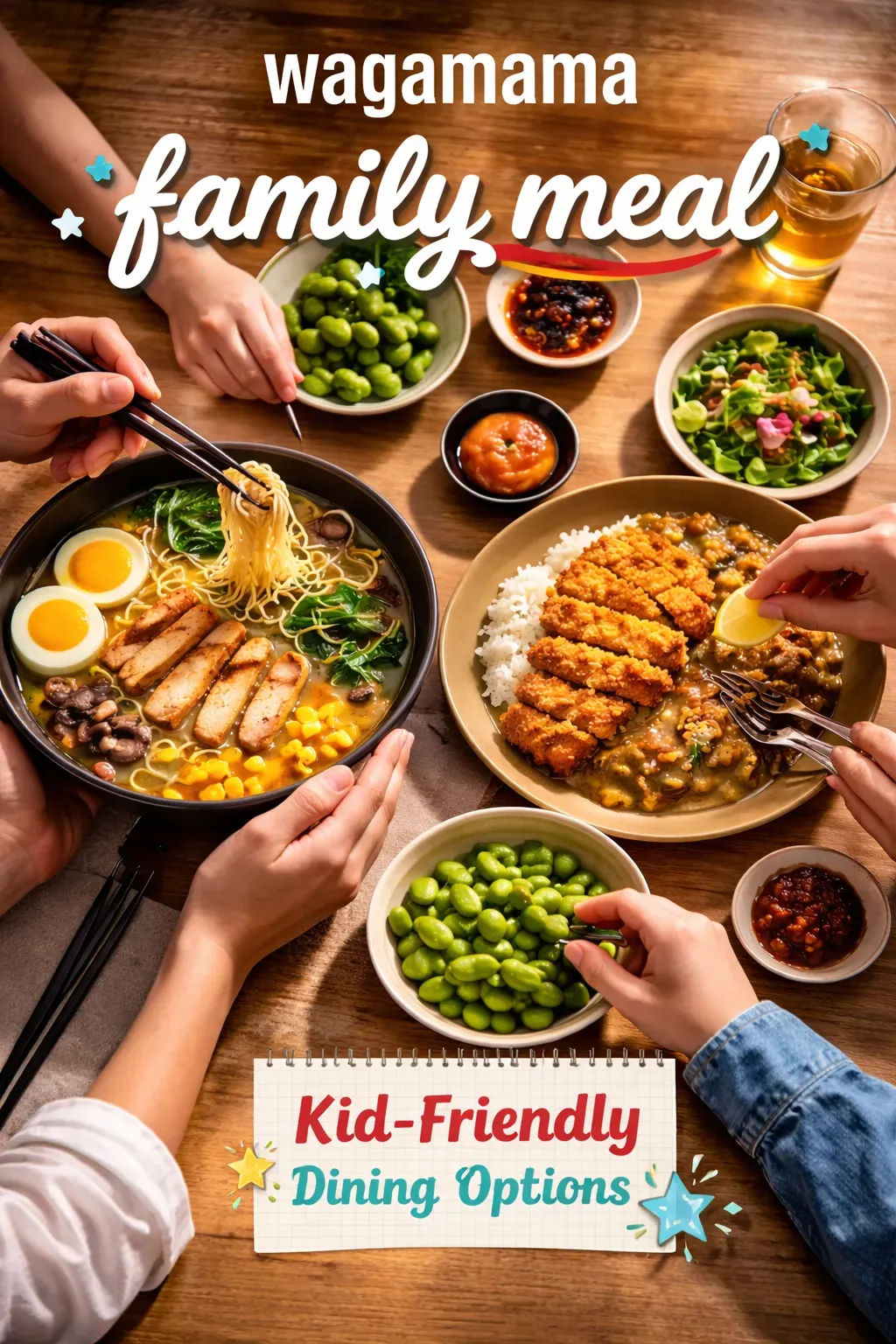
Cuisine Style
Wagamama is a UK-founded pan-Asian restaurant chain - the menu draws on Japanese, Chinese, Korean, Thai and other Southeast Asian cooking rather than sticking to one national cuisine. Ramen, donburi, curry and stir-fried noodle dishes sit alongside small plates like gyoza and bao buns.
Origins
Wagamama opened its first restaurant in Bloomsbury, London, in 1992, founded by restaurateur Alan Yau, who later went on to found the Michelin-starred restaurants Hakkasan and Yauatcha. The original concept - fast, informal, canteen-style dining with communal bench seating - was inspired by Japanese ramen bars, and that format is still recognisable in Wagamama restaurants today.
What Makes It Different
Compared to a traditional sit-down restaurant, Wagamama is built around speed and informality: shared bench tables, an open kitchen, and dishes served as soon as they're ready rather than all together. It's grown from that single London site into a chain with restaurants across the UK and internationally.
FAQs
- What cuisine is Wagamama?
- Wagamama serves pan-Asian food, drawing on Japanese, Chinese, Korean, Thai, Malaysian, Indonesian and Vietnamese cooking. It's often described as the UK's leading pan-Asian casual dining chain.
- Is Wagamama Japanese food?
- Not exclusively - the name and canteen-style ramen-bar format take inspiration from Japan, but the actual menu spans multiple Asian cuisines rather than being strictly Japanese.
- Where did Wagamama start?
- Wagamama opened its first restaurant in Bloomsbury, London, in 1992, founded by restaurateur Alan Yau.
- Why do Wagamama restaurants use bench seating?
- The communal bench-style seating and open kitchens were part of the original concept - fast, informal, canteen-style dining inspired by Japanese ramen bars, rather than a traditional sit-down restaurant layout.